


Conference Introduction
From April 24 to 26, 2026, the ‘5th Advanced Cementitious Materials Research and Application Conference’ was grandly held in Zhengzhou, Henan Province. The conference was guided by Chongqing University and Hunan University, and jointly organized by Henan Polytechnic University, Hunan University, and Chongqing University.
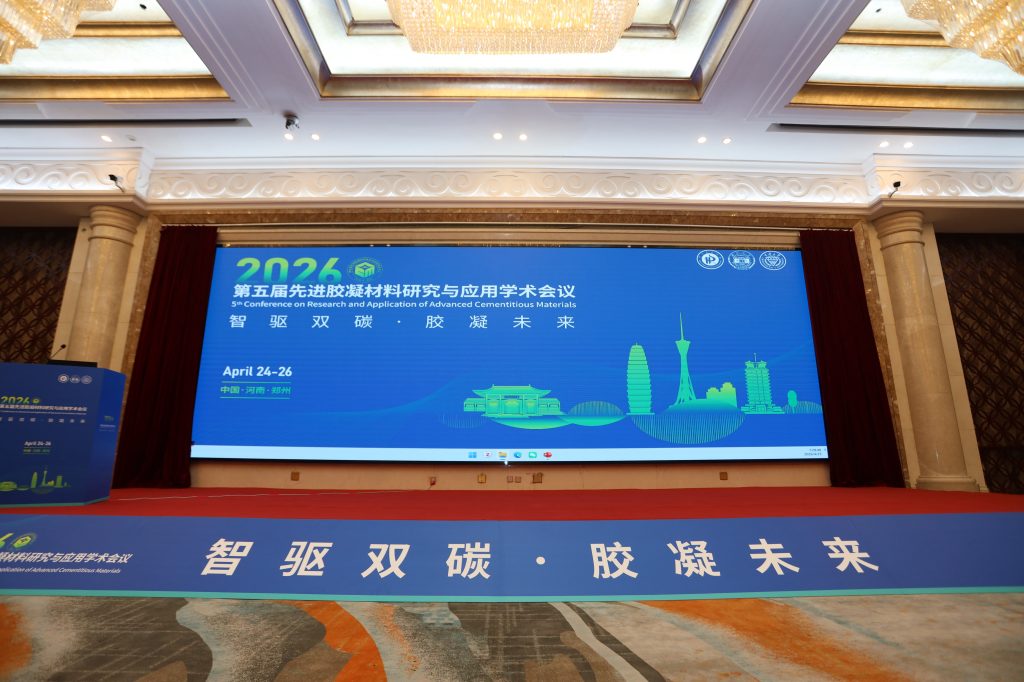
As a highly influential academic event in the field of civil engineering materials in China, this conference focused on the theme “Driving Dual‑Carbon Goals, Cementing the Future”. It deeply addressed the industry’s dual‑carbon objectives, explored new pathways for AI‑empowered green manufacturing, and charted a blueprint for technological innovation and high‑quality development in the cementitious materials industry.
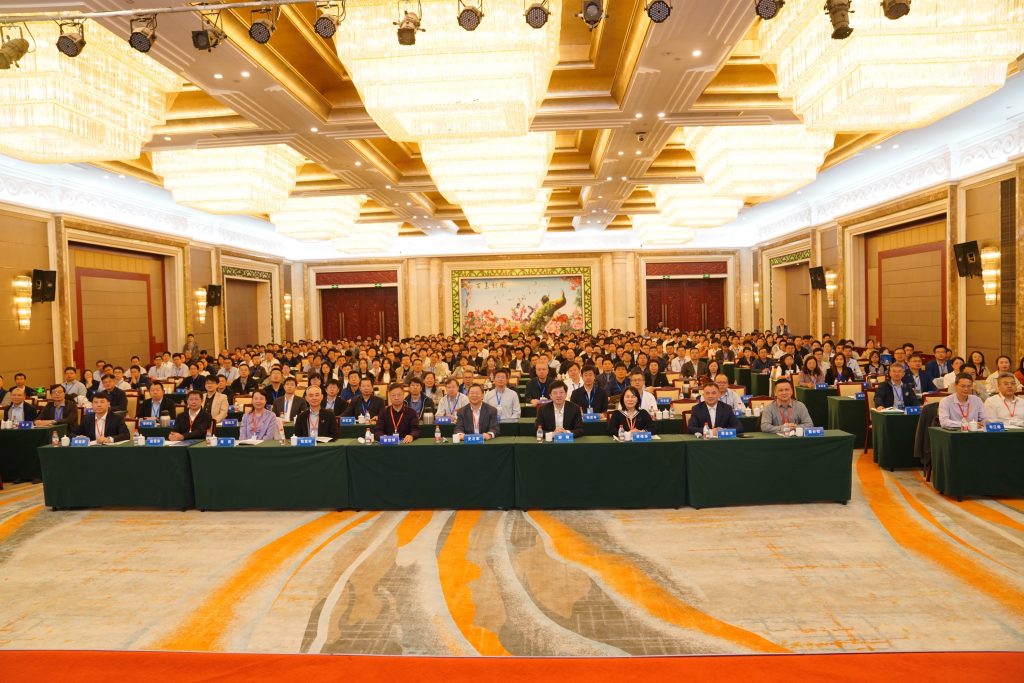
At this academic feast gathering many renowned experts, Suzhou Niumag Analytical Instrument Corporation (hereinafter referred to as “Niumag Analysis”) showcased its cutting‑edge low‑field nuclear magnetic resonance (LF‑NMR) technology. The company demonstrated breakthrough applications of NMR technology in cement‑based materials, soil ecological restoration, geological disaster prevention, and other geotechnical research fields.
Three NMR Powerhouses Cover Multi‑Scale Research from Core Samples to Test Specimens
Traditional research on cementitious materials has mostly focused on macroscopic mechanical properties. However, microscopic mechanisms such as water migration, pore structure evolution, and ion transport in nano‑channels are often key factors determining material durability and ecological function.
To address the wide range of sample sizes and diverse research requirements in cementitious materials and geotechnical engineering, Niumag Analysis highlighted three main instrument models at this conference. They cover sample size requirements from 1 inch to 4 inches, fully serving two major research directions: water distribution and dynamic migration, as well as online damage and fracture development. This provides multi‑scale analytical capabilities for cementitious materials and geotechnical research – from macroscopic specimens to microscopic pores.
Sample size: 1–4 inches
Resonance frequency: 2M, 12M optional; magnet orientation, temperature/pressure options available
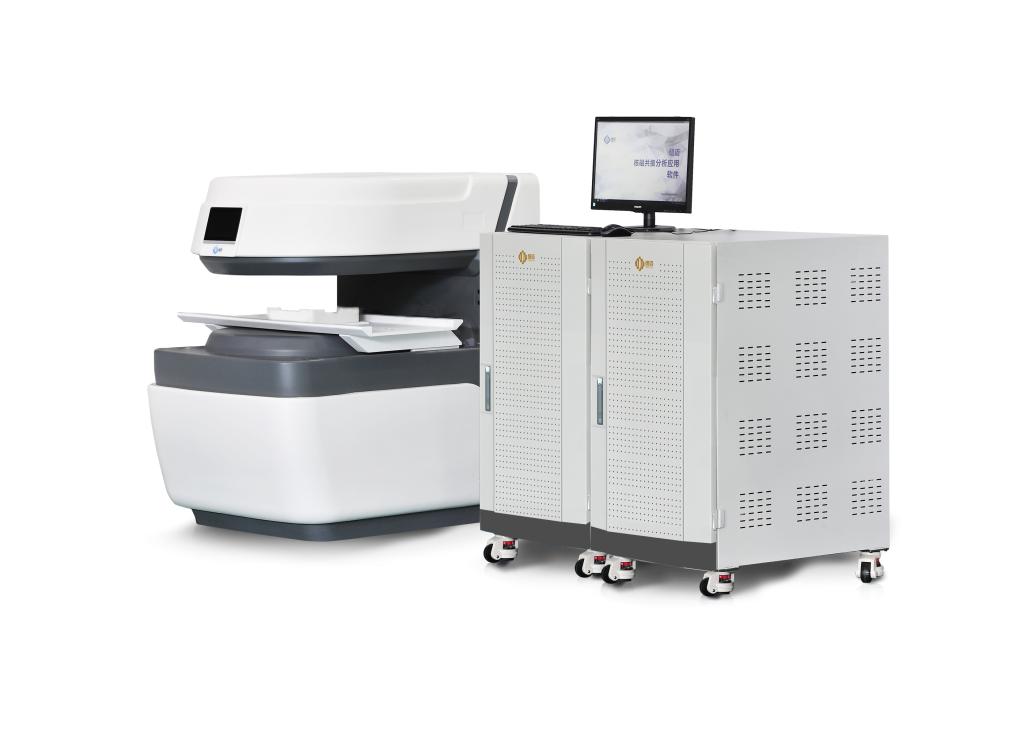
Sample size: 1–2 inches
Resonance frequency: 2M, 12M, 23M optional; magnet orientation, temperature/pressure options available
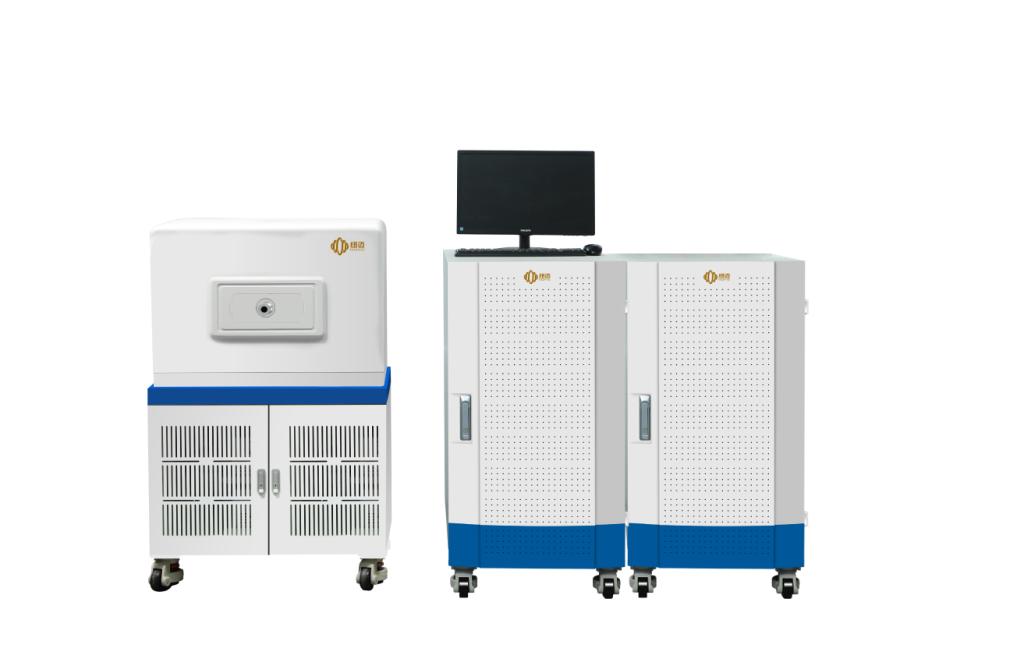
Resonance frequency: 21M
Max sample size: Φ38(±1) mm × H40(±2) mm
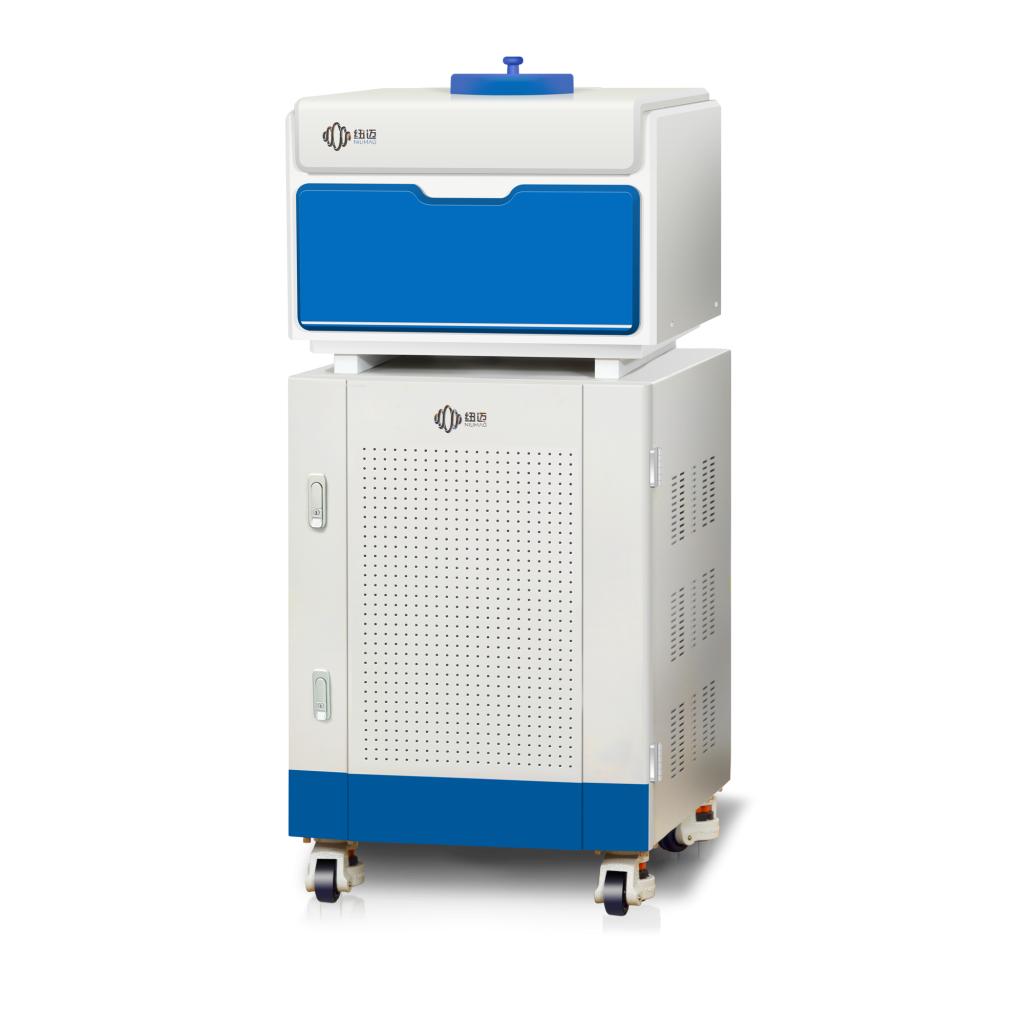
Together, these three devices form a multi‑scale, multi‑frequency, multi‑field‑loading analytical matrix. Whether for integral imaging of engineering‑scale specimens or high‑sensitivity analysis of fine structures in tiny samples, Niumag Analysis offers a one‑stop solution.
Four‑Field Coupling: A High‑Fidelity, Near‑In‑Situ “Dynamic Monitoring Laboratory”
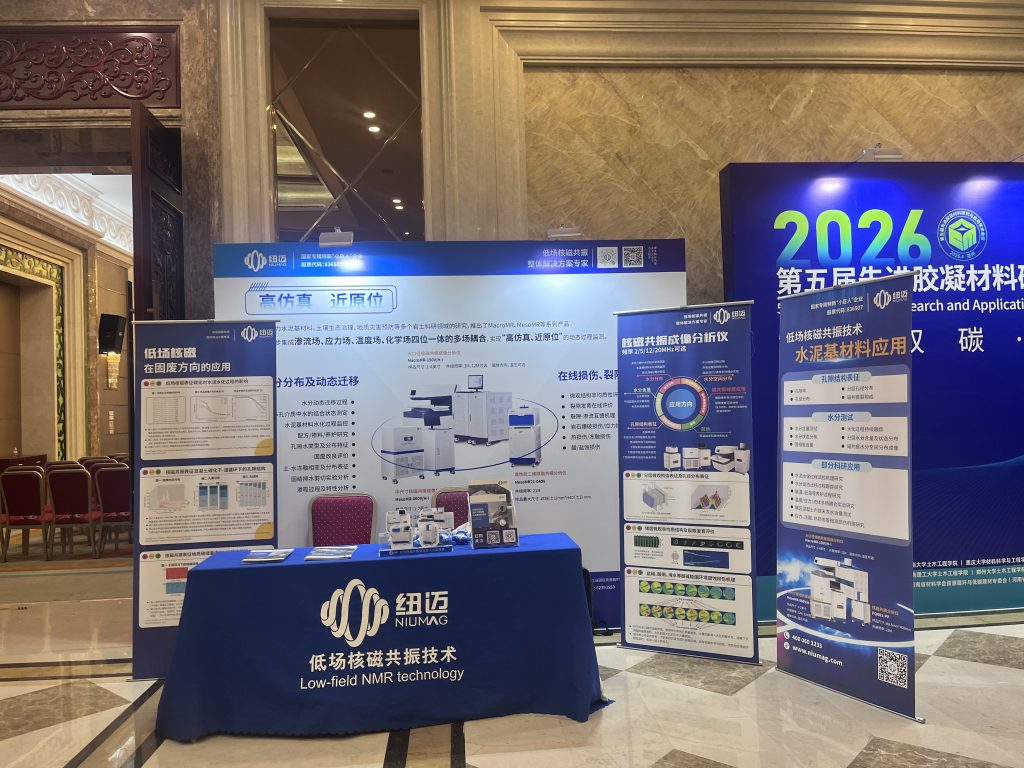
In real engineering and natural environments, materials never exist in isolation – hydraulic head, temperature fluctuations, and chemical erosion always act together. Based on this understanding, Niumag Analysis proposed a four‑field coupling technical solution at this conference: integrating the seepage field, stress field, temperature field, and chemical field to achieve high‑fidelity, near‑in‑situ dynamic process monitoring. This solution can simulate the infiltration failure of dams and tunnels under hydraulic head, as well as reproduce the chemical damage of salt‑alkali erosion on concrete microstructures in freezing or hot environments.
This technology overcomes the limitations of traditional “dry sample testing”, allowing research data to truly reflect the real‑world state of materials under complex service conditions. It perfectly aligns with the conference’s green manufacturing concept of “Driving Dual‑Carbon Goals” – guiding the development of more durable and lower‑carbon cementitious materials through more precise mechanistic research.
Technology Driving the Future, Co‑writing a New Chapter for the Cementitious Industry
Throughout the conference, the Niumag Analysis booth attracted a constant stream of visitors. Experts and scholars from civil engineering, geotechnical engineering, materials science, and other fields showed strong interest in the temperature‑pressure coupling scheme of the large‑aperture equipment and the online evaluation function of fracture‑seepage interactions. The atmosphere at the booth was vibrant.
Niumag Analysis looks forward to taking this conference as an opportunity to continue deepening its expertise in low‑field nuclear magnetic resonance (LF‑NMR) technology. With accurate and intelligent multi‑scale analytical solutions, Niumag is committed to contributing technological strength to the “Driving Dual‑Carbon Goals” future.
 Scan QR Code
 Scan QR Code
 Phone Support
Phone: 400-060-3233
After-sales: 400-060-3233
 WeChat Support

 Official Account

Back to Top