


01 Research Background
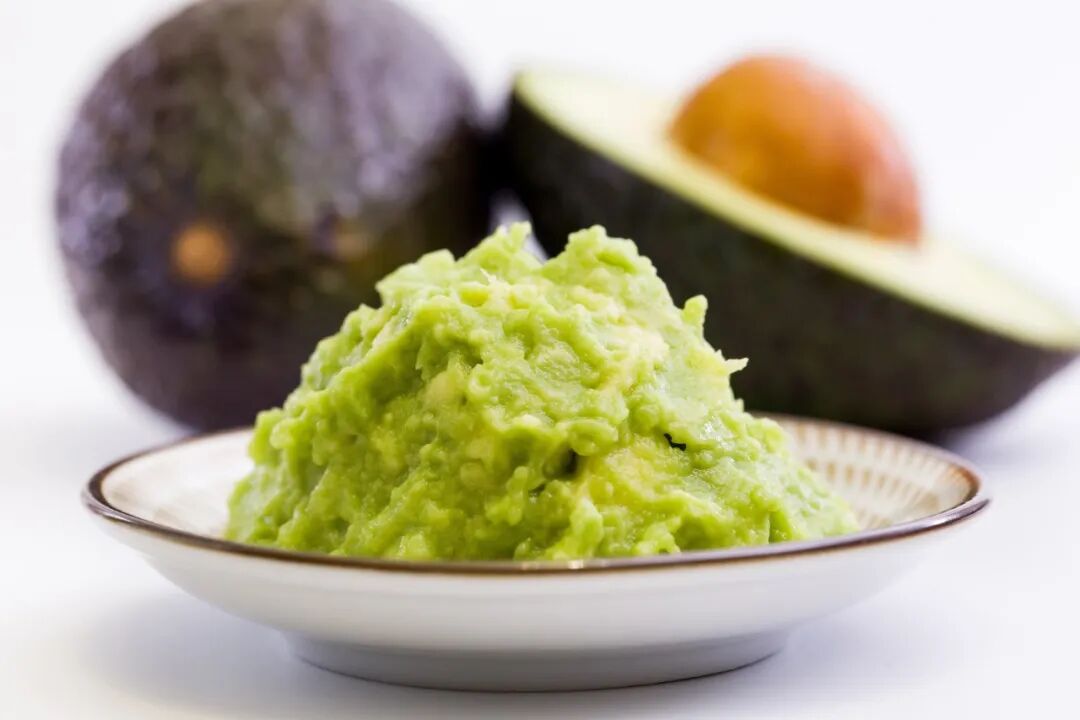
Avocado, with its creamy texture and rich unsaturated fatty acids, is rapidly transforming from a “niche fruit” into a global favorite for healthy eating. However, the industrial production of avocado puree faces a core dilemma: without sterilization, safety cannot be guaranteed; with sterilization, quality is often compromised. Although traditional thermal sterilization (pasteurization) effectively inactivates microorganisms, it can cause cell wall rupture, accelerate lipid oxidation, and lead to the loss of volatile aroma compounds, ultimately depriving the product of its “freshness”. Microwave sterilization heats faster, but its uniformity is difficult to control. In recent years, non‑thermal sterilization technologies such as high‑pressure processing (HPP), gamma irradiation (GI), and electron beam irradiation (EBI) have attracted considerable attention. However, how these techniques affect the microstructure, water distribution, and flavor release in the special high‑fat, high‑moisture, high‑fiber matrix of avocado has long remained unclear.
A research team from Yunnan Agricultural University systematically compared the effects of five sterilization methods (pasteurization P, microwave sterilization MS, high‑pressure processing HPP, gamma irradiation GI, and electron beam irradiation EBI) on the overall quality of avocado puree. In this “competition of sterilization technologies”, low‑field nuclear magnetic resonance (LF-NMR) technology served as the “key referee” to reveal water migration patterns and explain texture change mechanisms.
02 Key Findings
The team systematically evaluated six groups of samples (including an untreated control) across physicochemical indices, nutrient retention, microstructure, texture and rheology, water distribution, and volatile flavor. The key findings are as follows:
2.1 Nutrient Retention: HPP Wins with 93.82% Vitamin C Retention
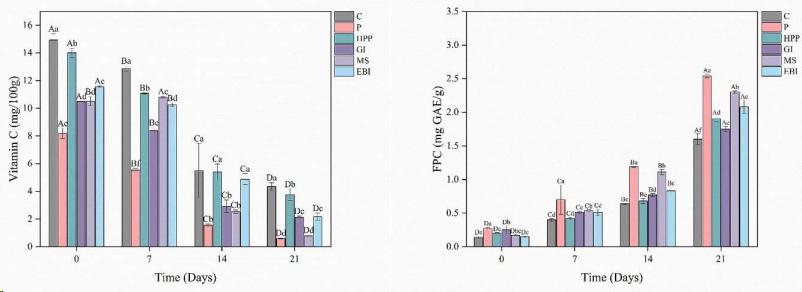
Left: Bar chart of vitamin C content; Right: Free polyphenol content.
2.2 Water Migration: The “Hidden Code” Revealed by LF-NMR
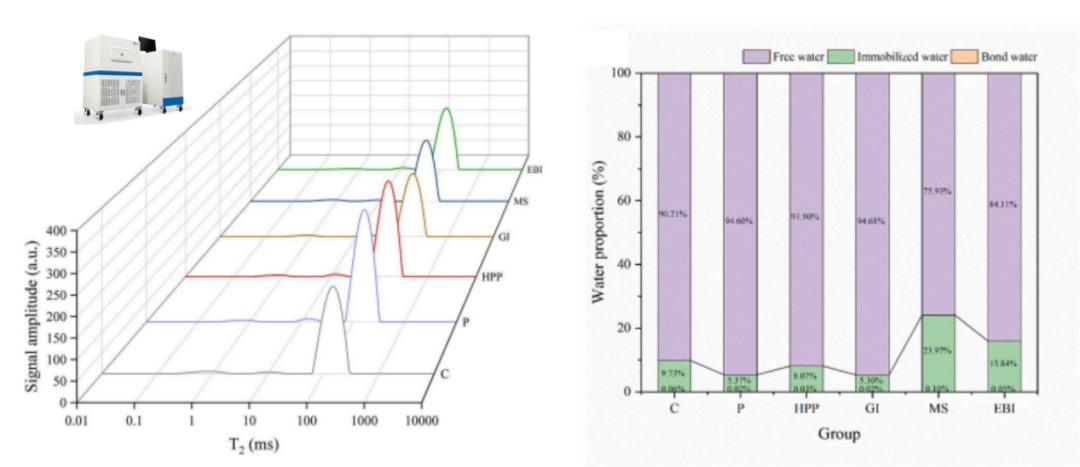
This is the most technically distinctive part of the study. Using a Niumag NMI20-060H-I low-field nuclear magnetic resonance (LF-NMR) analyzer, the team measured the transverse relaxation time (T₂) and classified the water in avocado puree into three states:
Key findings:
03 Innovation and Value
04 Magnetic Resonance Solution
As one of the key technological supports of this study, the Niumag NMI20-060H-I low‑field nuclear magnetic resonance (LF-NMR) analyzer played an irreplaceable role in revealing the quality change mechanism of avocado puree.
4.1 Why is LF-NMR an “Essential” Tool for Texture Evaluation of Fruit and Vegetable Purees?
Fruit and vegetable puree is a typical high‑moisture multiphase dispersed system. Its mouthfeel (smooth/rough, thin/thick) is essentially determined by the interaction between water and the solid matrix (cell wall fragments, proteins, lipid droplets). Traditional texture analyzers can only measure “hardness” or “elasticity”, but cannot answer “why is it hard?” or “why does water separate?”
By detecting the T₂ transverse relaxation time of hydrogen protons, LF-NMR can non‑destructively and rapidly resolve:
4.2 Core Contributions of LF-NMR in this Study
Conclusion: LF-NMR proves with data that the best sterilization is one where the water “does not feel” that sterilization has occurred. HPP wins precisely because it causes the least disturbance to water distribution.
Recommended Equipment:
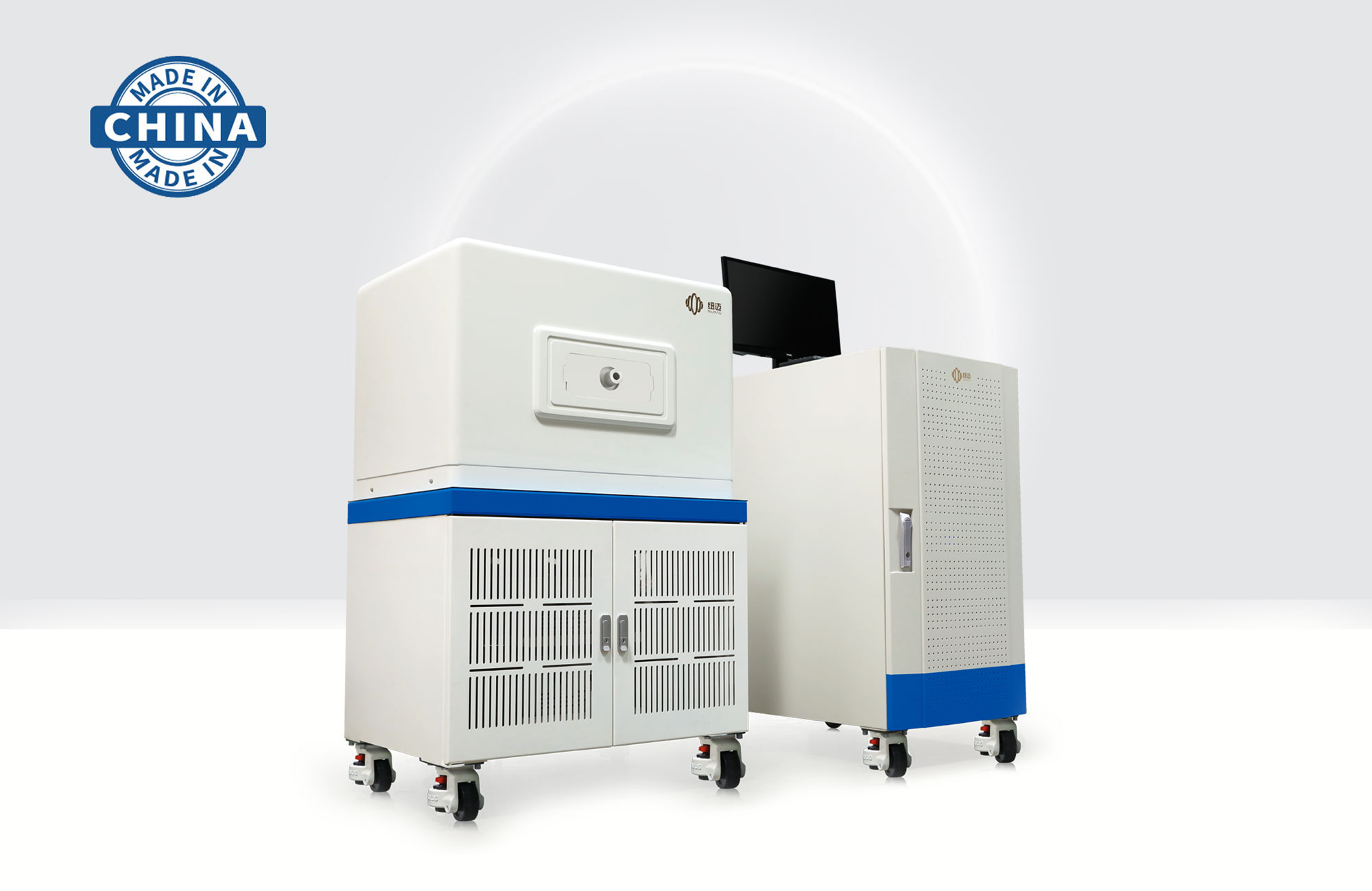
NMI20-060H-I
Reference
Cunchao Zhao, et al. Comparative study of thermal and non‑thermal sterilization on the physicochemical properties, microstructure, texture and flavor quality of avocado puree[J]. Food Chemistry: X (Elsevier), 2026, Volume 26, Article 100254. DOI: 10.1016/j.fochx.2026.100254.
 Scan QR Code
 Scan QR Code
 Phone Support
Phone: 400-060-3233
After-sales: 400-060-3233
 WeChat Support

 Official Account

Back to Top