


As global energy demand continues to grow, the development of coal and unconventional oil and gas resources has become critical to ensuring energy security. China is rich in coalbed methane (CBM) resources, but coal seams generally exhibit low permeability, high adsorptivity, and complex pore structures, resulting in low gas drainage efficiency and low recovery rates. Hydraulic fracturing, as a key technology for enhancing oil and gas recovery, has been widely applied in low‑permeability and tight reservoirs since its development in the last century. It enhances fluid flow capacity by creating artificial fracture networks, thereby significantly improving recovery efficiency.
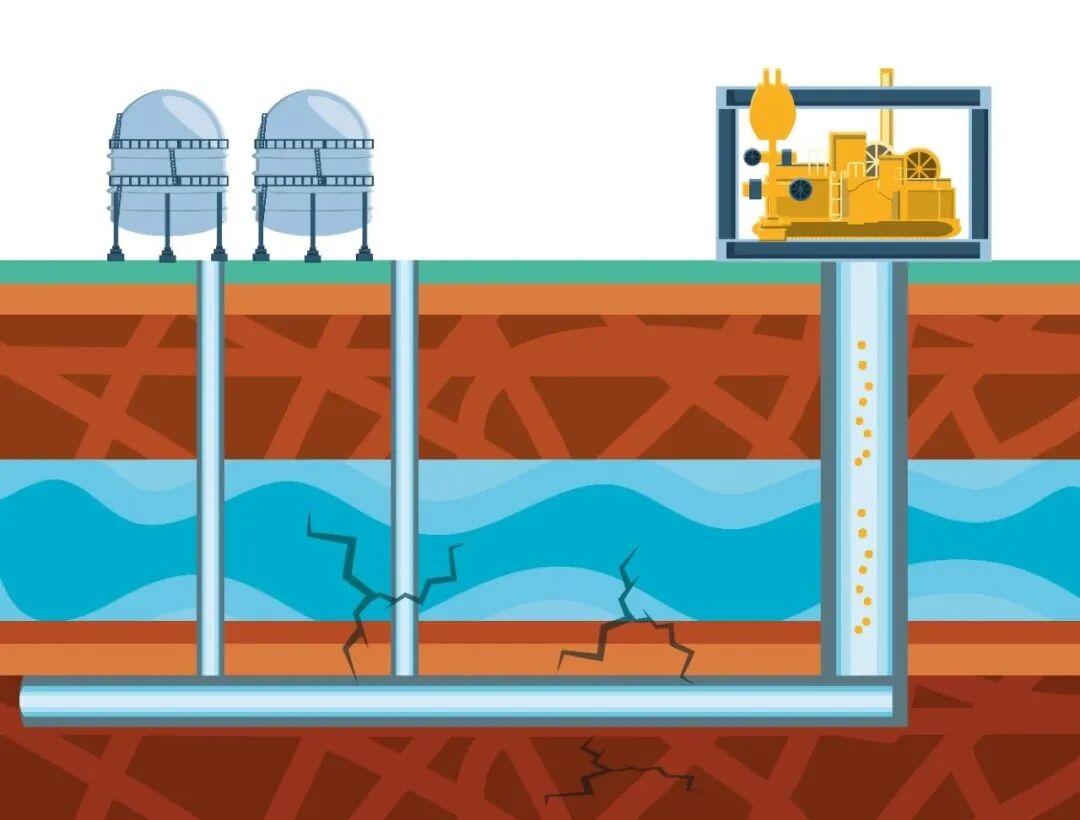
The essence of enhanced recovery through hydraulic fracturing lies in modifying the reservoir pore structure through the following mechanisms: Fracture propagation: high‑pressure fluid opens natural fractures, forming main fractures and inducing branch fractures; Pore activation: fracturing fluid penetrates micro‑nano pores in the coal matrix, releasing adsorbed gas and enhancing desorption‑diffusion capacity; Connectivity improvement: fractures connect isolated pores, creating high‑speed channels for fluid migration.
Traditional methods such as core analysis and micro‑CT scanning have limitations including destructiveness and low efficiency, making it difficult to perform in‑situ, dynamic monitoring of microscopic pore changes during fracturing. In particular, the following aspects are challenging to characterize: real‑time monitoring of dynamic pore‑fracture propagation during fracturing; quantitative differentiation of multi‑scale pores; and analysis of gas/water occurrence and migration behavior within pores.
Low‑field nuclear magnetic resonance (LF‑NMR) technology fills this gap. It enables multi‑field coupling involving temperature, pressure, seepage, and chemical fields, achieving “near‑in‑situ, high‑fidelity” simulation of formation environments. It provides non‑destructive, rapid measurement of fluid relaxation signals, enabling pore size distribution analysis (e.g., changes in micropores, mesopores, and macropores), identification of fluid occurrence states, and dynamic tracking of pore structure evolution induced by hydraulic fracturing.
Research Case: Enhancing Coalbed Methane Recovery via Hydraulic Fracturing Based on Low‑Field NMR [1]
Sample Preparation
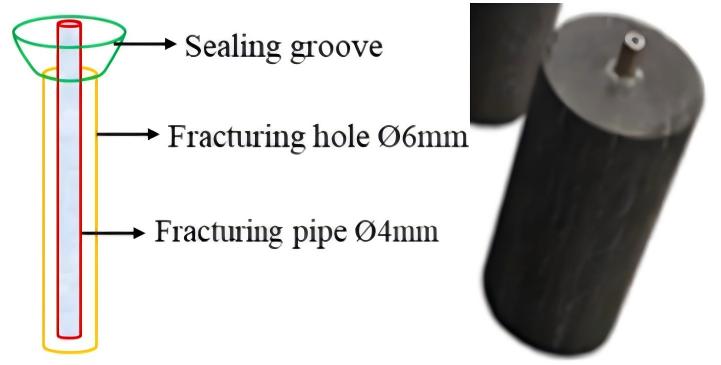
Figure 1 Preparation of coal samples for hydraulic fracturing
Anthracite coal from the Wulanhada Coal Mine (WL) in Inner Mongolia was used. Cylindrical samples with a diameter of 50 mm and height of 100 mm were prepared. A central fracturing borehole with a diameter of 6 mm was drilled, and a 4 mm water injection tube was installed.
Experimental Procedure
Stage 1: Pulsed pre‑loading (fatigue damage induction)
Pulse frequency: fixed at 8 Hz (optimized value).
Pulse amplitude: constant at 2 MPa (minimum fluctuation value).
Maximum pressure gradients: 0/3/6/9 MPa (applied in groups).
Duration: 2 hours per group (simulating long‑term cyclic loading).
Stage 2: Hydraulic fracturing (static rupture)
Loading method: static water pressure applied at a rate of 0.1 MPa/s until sample rupture.
Termination conditions: pressure drop ≥10% or macroscopic sample fracture.
Experimental Conclusions
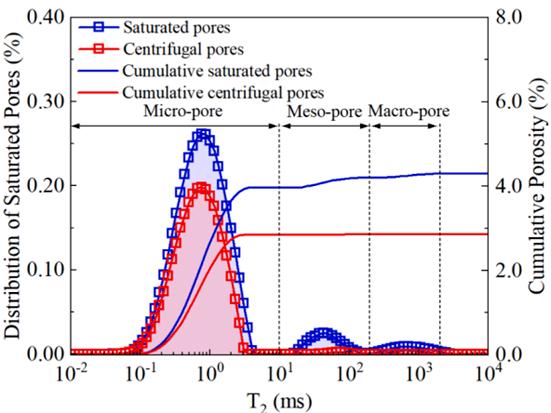
Figure 2 Relaxation spectra of water‑saturated coal samples
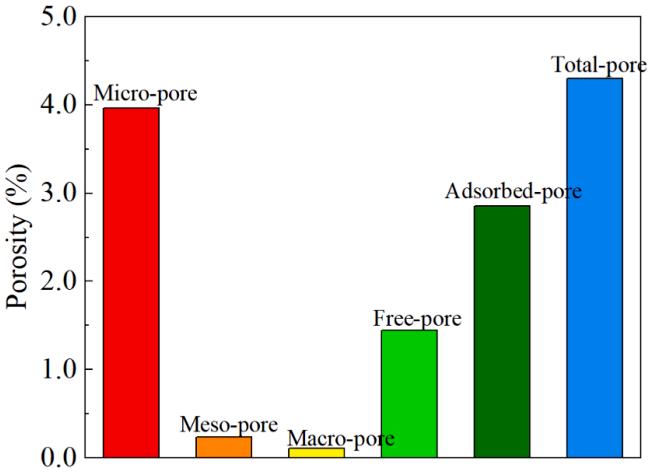
Figure 3 Pore size distribution
This study used low‑field nuclear magnetic resonance (LF‑NMR) technology to investigate the pore structure of coal samples damaged by pulsed hydraulic fracturing, obtaining relaxation spectra and porosity distribution information. The main conclusions are as follows: Figure 2 shows that the porosity distribution of coal varies with T₂. According to the cumulative curve of saturated pores, the micropore porosity is approximately 3.96%, and the total porosity is 4.30%. The peak saturated porosity of the coal sample occurs at T₂ = 0.76 ms. Saturated porosity includes pores occupied by both free water and adsorbed water. Adsorbed porosity can typically be measured by removing free water via centrifugation. The difference between the saturated and centrifuged porosity curves represents free porosity. From the cumulative porosity curves, the adsorbed porosity is 2.86%, and the free porosity is 1.44%.
Reference
[1] Yu X, Chen A, Hong L, et al. Experimental investigation of the effects of long‑period cyclic pulse loading of pulsating hydraulic fracturing on coal damage[J]. Fuel, 2024, 358(Part A).
 Scan QR Code
 Scan QR Code
 Phone Support
Phone: 400-060-3233
After-sales: 400-060-3233
 WeChat Support

 Official Account

Back to Top