


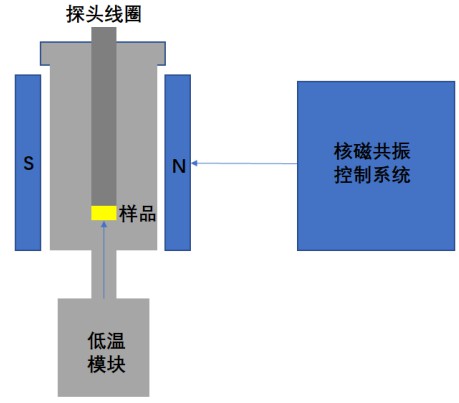
Currently, low-temperature NMR testing systems are applied in food, agriculture, and porous materials research. They allow physical property analysis and process kinetics studies, particularly excelling in quantitative and qualitative analysis of water distribution, water-binding states, and water migration. With NMR imaging capabilities, these systems provide non-destructive, rapid, and visual mapping of water and oil from one-dimensional quantitative analysis to two-dimensional spatial distribution. The equipment includes an online low-temperature programmable module, enabling simulated cold-environment studies for food and agricultural research.
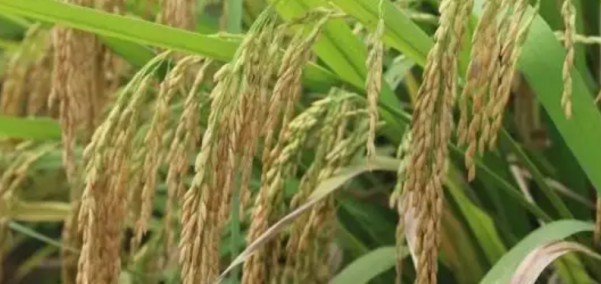
Cold stress is a crucial factor affecting the geographical distribution and growth of plants. Low temperatures can damage plants, and sudden frosts may severely reduce crop productivity and quality.
1. Delayed Cold Stress: Occurs during the vegetative growth stage, sometimes extending into the reproductive stage. Prolonged exposure to low temperatures reduces rice physiological activity, delays growth, slows heading and flowering, and prevents grains from filling properly, leading to significant yield losses.
2. Obstructive Cold Stress: Occurs during the reproductive stage when short-term, unusually strong cold damages the physiological mechanisms of floral organs, causing spikelet sterility and a large number of empty grains, resulting in severe yield reduction.
3. Mixed Cold Stress: Occurs when delayed and obstructive cold stress happen in the same season. Early-stage low temperatures delay tiller development and panicle differentiation, postpone heading, and affect yield. Subsequent low temperatures during booting, heading, and flowering can cause spikelet sterility or partial sterility, delaying maturity and producing numerous empty grains.
1. Low temperatures weaken photosynthesis, mainly by denaturing chloroplast proteins and reducing enzyme activity, which lowers the plant’s photosynthetic capacity.
2. Low temperatures reduce respiration rates. Respiration is essential for plant growth and development; for rice, every 10°C drop from the optimal temperature decreases respiration intensity by 1.6–2.0 times.
3. Low temperatures affect mineral nutrient absorption. Root uptake relies on energy from respiration. Reduced root respiration under cold conditions limits energy for nutrient absorption, decreasing nutrient uptake and disturbing plant nutrient balance.
4. Low temperatures affect nutrient translocation. Cold not only reduces photosynthesis and mineral uptake but also hinders the transport of photosynthates and nutrients to growing organs, slowing overall movement.

Rice is China’s most important staple crop but is highly sensitive to cold stress. Seedlings exposed to low temperatures exhibit stunted growth, chlorosis, poor development, wilting, or even death, severely affecting growth and yield. Enhancing cold tolerance during the seedling stage is vital to reducing losses from cold stress and promoting direct-seeded rice cultivation.
Currently, low-temperature NMR testing systems are applied in food, agriculture, and porous materials research. They allow physical property analysis and process kinetics studies, particularly excelling in quantitative and qualitative analysis of water distribution, water-binding states, and water migration. With NMR imaging capabilities, these systems provide non-destructive, rapid, and visual mapping of water and oil from one-dimensional quantitative analysis to two-dimensional spatial distribution. The equipment includes an online low-temperature programmable module, enabling simulated cold-environment studies for food and agricultural research.
 Scan QR Code
 Scan QR Code
 Phone Support
Phone: 400-060-3233
After-sales: 400-060-3233
 WeChat Support

 Official Account

Back to Top