


When investigating the effects of drought stress on rapeseed growth and the mechanisms through which exogenous hormones can alleviate this stress, accurately measuring the oil content of rapeseed is a key task. Low-field nuclear magnetic resonance (LF-NMR) devices provide critical technical support in this process.
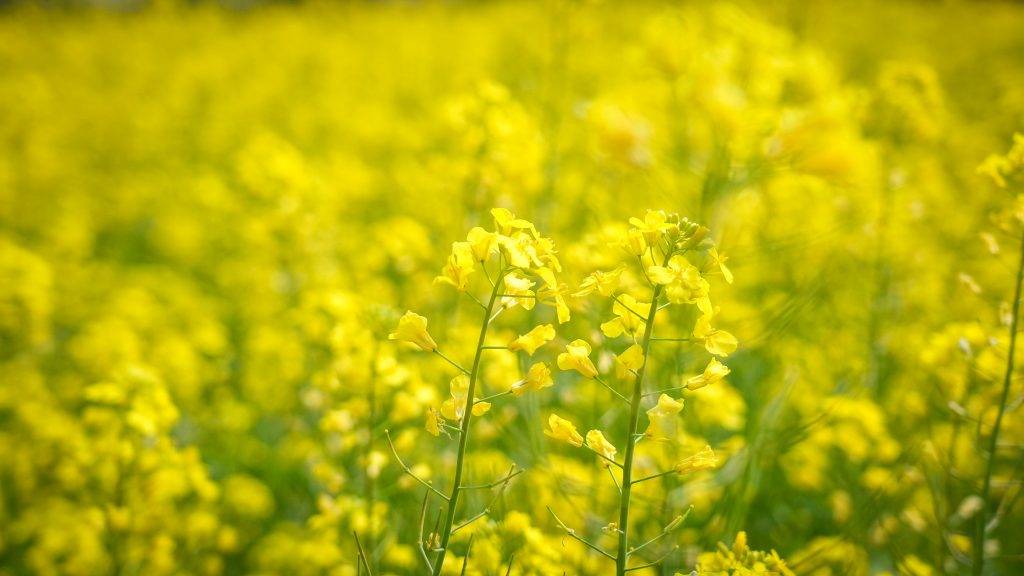
Rapeseed is a globally important oil crop, and its yield and quality are significantly affected by drought stress. This study selected two rapeseed cultivars—drought-sensitive (Okapi) and drought-tolerant (GKH)—to explore the effects of exogenous cytokinins (CK), epibrassinolide (EBL), and their combinations under drought conditions. During the experiments, precise measurement of seed oil content was required to evaluate how different treatments influenced rapeseed yield and quality.
The LF-NMR device utilises low-field nuclear magnetic resonance technology to accurately measure rapeseed oil content through a combination of specialised hardware and software algorithms.
After processing the harvested rapeseed samples, experimenters placed them into the LF-NMR device for measurement. The device provides rapid, non-destructive analysis of oil content, delivering results as precise data expressed in percentage (DB%). Oil yield (kg/ha) was then calculated by multiplying the measured oil content by seed yield.
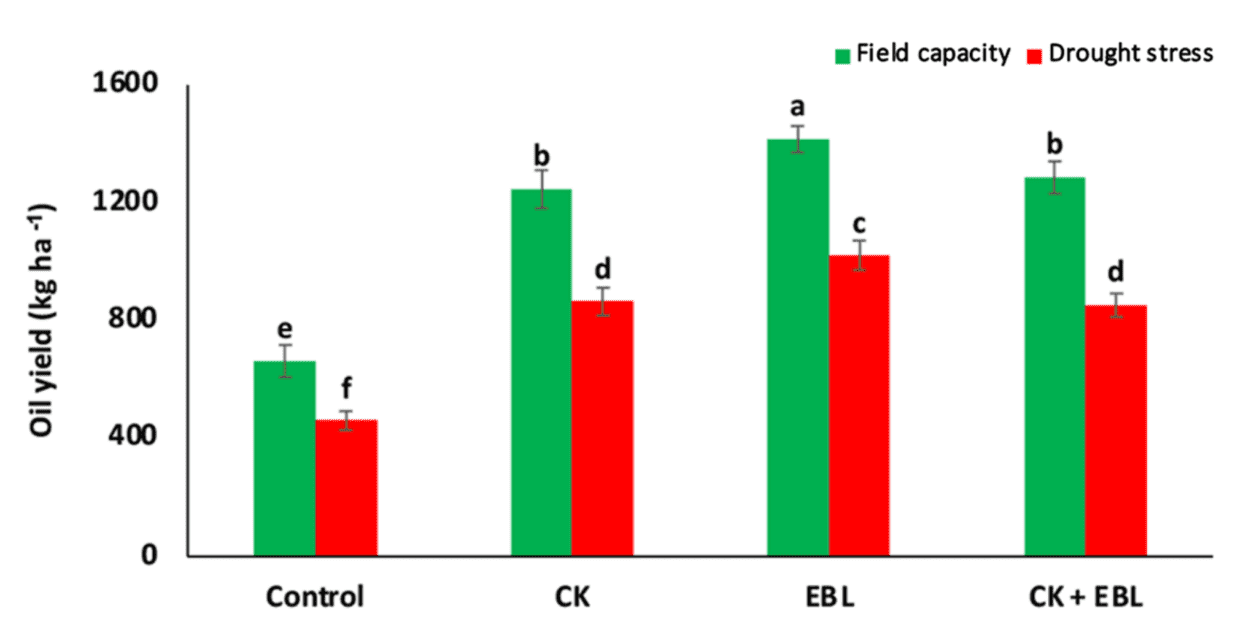
Figure 1: Changes in rapeseed oil yield under different treatments, under normal and drought conditions.
Impact of drought stress on oil yield: Overall, drought stress significantly reduced rapeseed oil yield. Compared to field capacity irrigation, all treatments under drought conditions showed a substantial decline in oil yield, highlighting the severe negative impact of drought on rapeseed growth and oil biosynthesis, ultimately limiting both seed yield and oil content.
Effect of foliar hormone application: Under both irrigation levels, foliar application of CK, EBL, and CK+EBL significantly increased rapeseed oil yield. Among them, EBL treatment had the most pronounced effect, markedly increasing oil yield compared to the control under both field capacity and drought stress. This indicates that EBL plays a positive role in enhancing rapeseed oil yield. Under drought conditions, the reduction in oil yield for EBL-treated plants was smaller than for other treatments, further demonstrating EBL’s efficacy in mitigating drought-induced reductions in oil production.
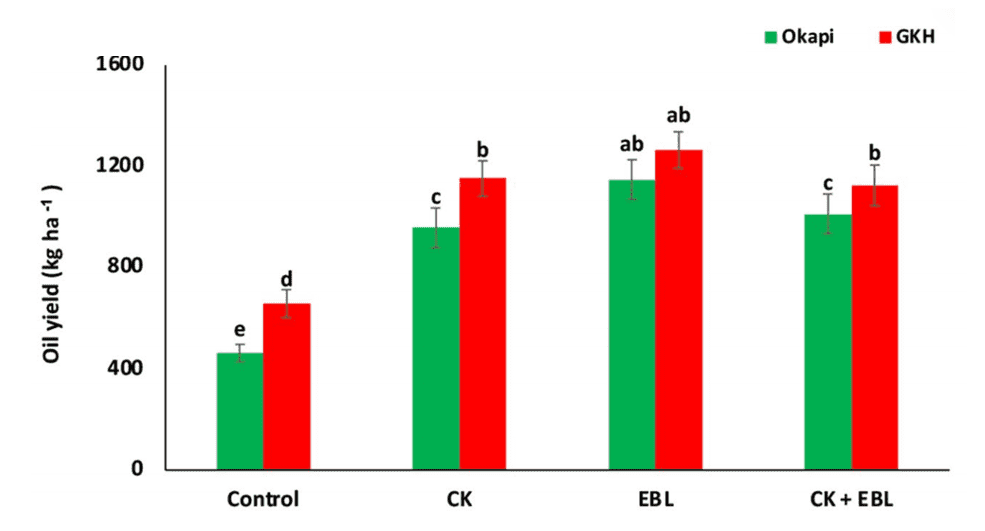
Figure 2: Effects of different treatments on the two rapeseed cultivars
Under the same treatments and irrigation levels, the GKH cultivar generally produced higher oil yields than Okapi. This demonstrates the variation in yield potential between cultivars, suggesting that GKH may possess better growth traits or a more responsive mechanism to hormone treatments, resulting in superior oil yield.
In this study of drought tolerance in rapeseed, the LF-NMR device provided accurate measurements of seed oil content and oil yield, supplying essential data to evaluate drought stress and the effects of exogenous hormone treatments. This not only advanced research into drought-resistant rapeseed but also offered a scientific foundation for agricultural practices aimed at improving yield and quality under drought conditions.
If you are interested in this application, please contact: 15618037925
 Scan QR Code
 Scan QR Code
 Phone Support
Phone: 400-060-3233
After-sales: 400-060-3233
 WeChat Support

 Official Account

Back to Top