


Originally developed for medical diagnostics—especially in detecting abnormalities in soft tissues such as the brain and internal organs—nuclear magnetic resonance (NMR) technology has evolved significantly with interdisciplinary progress. Today, low-field NMR is playing an increasingly important role in the food industry, particularly in food safety and quality assurance.
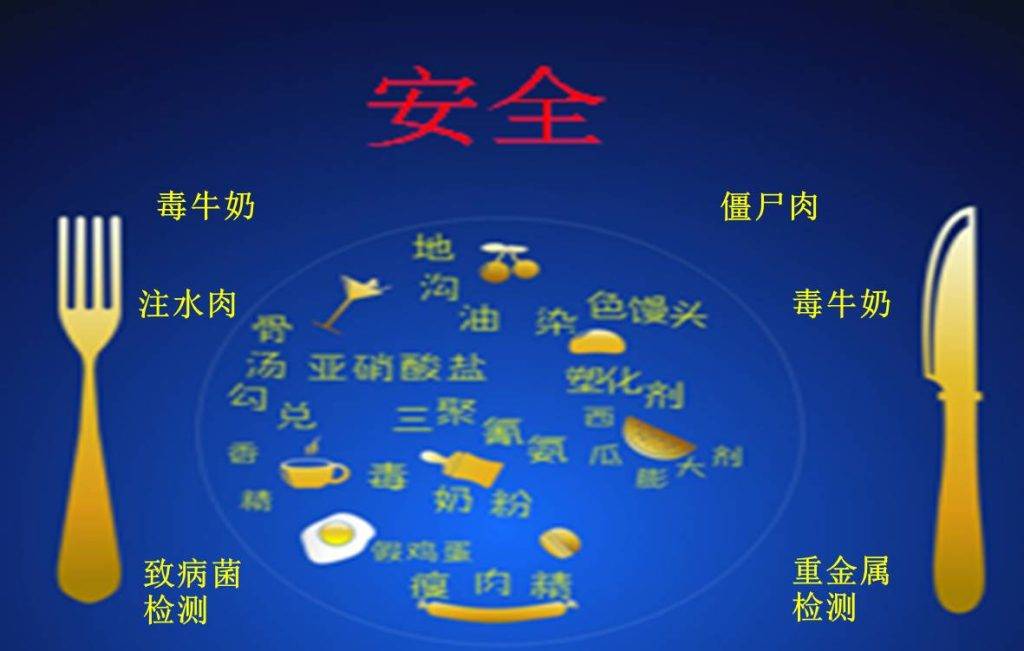
As problematic and unsafe food practices become more prevalent, the demand for reliable, rapid detection methods is rising. Low-field NMR offers rapid, non-destructive analysis with no need for sample pretreatment, making it ideal for food inspection.
It has been successfully applied in identifying low-quality oils, detecting water-injected meat, milk adulteration, pathogenic bacteria, and heavy metal ions. The introduction of portable NMR systems enables on-site food safety monitoring—offering a “second set of eyes” for inspectors, helping eliminate unsafe food from the supply chain and ensuring public health.
Triglycerides are the primary component of edible oils, containing both saturated and unsaturated fatty acids. Due to differences in molecular structure, the hydrogen protons in unsaturated fatty acids are subject to electron shielding from double bonds, resulting in slower T2 relaxation times.
As a result, in NMR spectra, the first peak typically represents saturated fats, while the second represents unsaturated fats.
Oils subjected to high-temperature processing—like refining or deep-frying—undergo oxidation, forming highly polar and polymerized oxidation products. These compounds exhibit shortened relaxation times, generating characteristic peaks that can be used to evaluate oil degradation.
Key capabilities:
1. Identify oil quality
2. Predict physicochemical parameters
3. Classify oil types
4. Detect and quantify adulteration
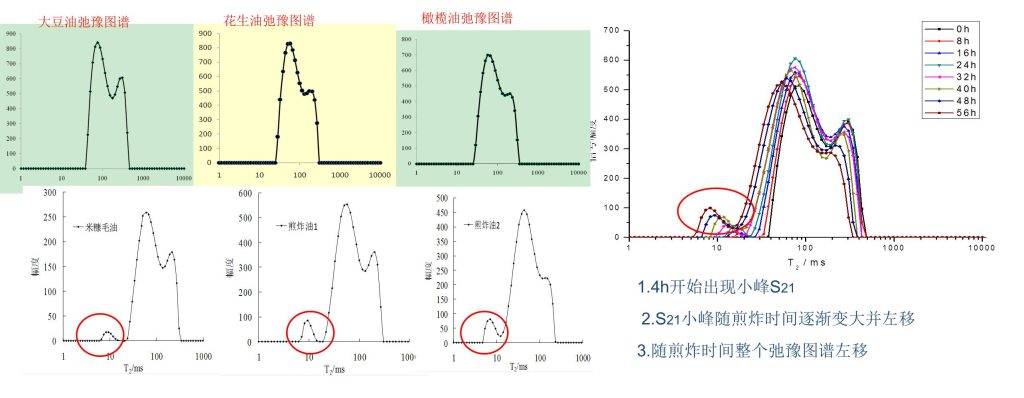
Figure 1. Comparison of NMR Spectra Between High-Quality and Degraded Oils
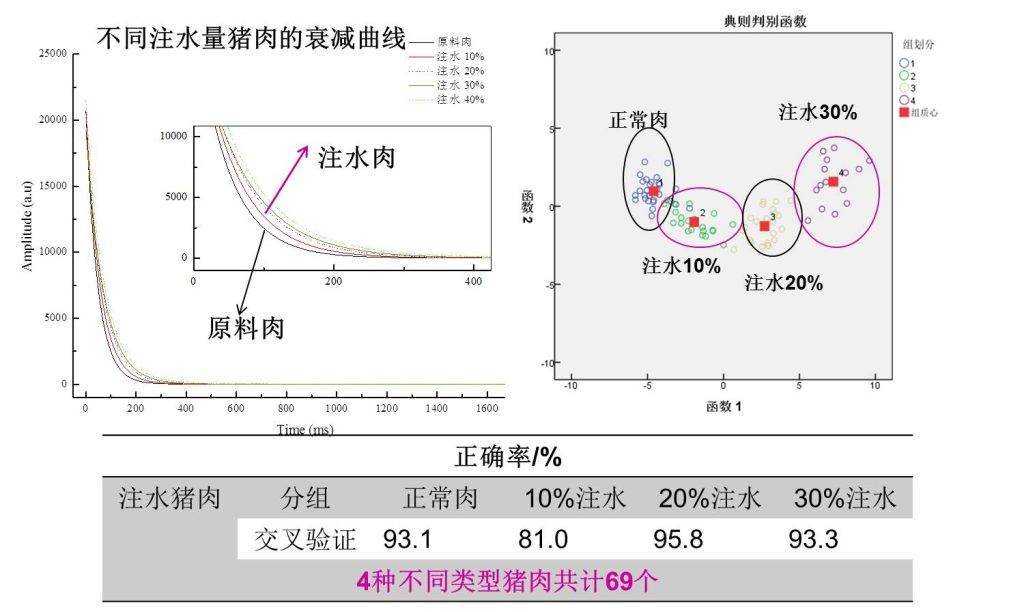
In addition to detecting water-injected meat, LF-NMR is capable of identifying illegally treated pork injected with additives such as xanthan gum, carrageenan, and konjac gum. The technology’s fast and non-destructive nature makes it well-suited for field enforcement and rapid food inspection.
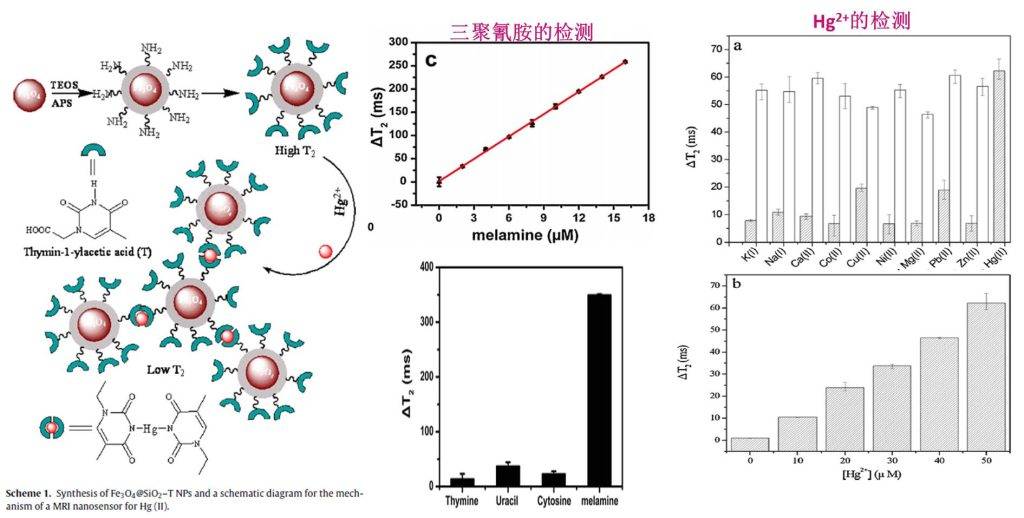
Combined with superparamagnetic nanoparticle technology, NMR is now being used to detect foodborne pathogens such as Enterobacter sakazakii and Salmonella, as well as heavy metal ions like Hg²⁺ and Cd²⁺, and food contaminants such as melamine.
Recommended Instrument: Niumag NMI20 Low-Field NMR Analyzer
Key Advantages:
1) Intuitive operation: User-friendly software with one-click parameter setup, easy layer selection, thickness control, and scan angle configuration.
2) Professional applications support: Application engineers specializing in both food science and NMR provide industry-specific testing solutions.
3) High sensitivity: 15 mm probe diameter accommodates a wide range of sample types. Extremely short echo times enable precise testing of short T2 samples.
4) Minimal maintenance: Permanent magnets require no upkeep. No specialized consumables needed. Simple operation and reliable performance.
 Scan QR Code
 Scan QR Code
 Phone Support
Phone: 400-060-3233
After-sales: 400-060-3233
 WeChat Support

 Official Account

Back to Top