


When producing ABS from butadiene, it is difficult to monitor the process in real time. The degree of polymerization and crosslinking of the product butadiene are critical to the subsequent production of ABS. So, what parameters can low-field NMR provide to characterize the degree of polymerization and crosslinking? How does the degree of crosslinking affect the physical properties of rubber and plastics?
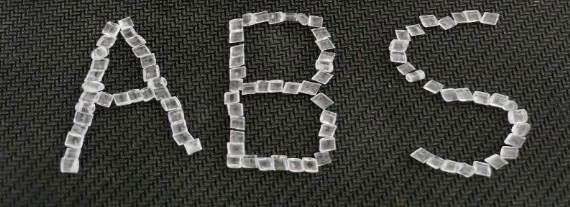
There are three main methods to evaluate crosslinking. The primary methods for directly characterizing the crosslinking of rubber are equilibrium swelling, stress-strain tests, and low-field NMR. The equilibrium swelling method is simple and theoretically mature, but it lacks standardized testing methods, has a long test cycle, and is influenced by multiple factors, resulting in low accuracy. The stress-strain method involves uniaxial tensile tests on vulcanized rubber. As the crosslinking density increases, the number of effective molecular chains supporting the load increases during deformation, and to some extent, the tensile strength increases with crosslinking density. The stress-strain method is simple and has a short test cycle, but its application is limited and is only suitable for testing unfilled vulcanized rubber, and the samples must be made into dumbbell shapes.
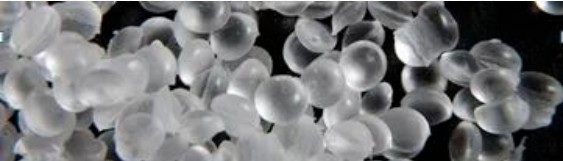
Low-field NMR utilizes low-field nuclear magnetic resonance relaxation techniques to measure the mobility of hydrogen atoms in the rubber molecular chains, thus determining the crosslink density of the sample. Compared with other methods, low-field NMR provides more comprehensive information and has the advantages of being environmentally friendly and having a short test cycle.
By using low-field NMR technology to detect crosslinked chains, tail chains, and small molecular unpolymerized components in PB rubber, the reaction kinetics during the production process can be easily and quickly reflected. It enables real-time monitoring of the production process. It can also be used to detect the crosslinking degree of ABS plastic and evaluate the physical properties of ABS plastic at different temperatures.
Since butadiene is mostly polymerized via emulsion polymerization, its usual form is as an emulsion. Low-field NMR can effectively distinguish the signals from the latex and the solvent in the sample, enabling easy and direct determination of the crosslinking degree and solid content in the sample.
References
[1] Wang Huimin, Zhang Lijie, Jia Airui, et al. Research progress on rubber crosslink density testing methods and their applications [J]. Tire Industry, 2021, 41(10):5.
 Scan QR Code
 Scan QR Code
 Phone Support
Phone: 400-060-3233
After-sales: 400-060-3233
 WeChat Support

 Official Account

Back to Top