

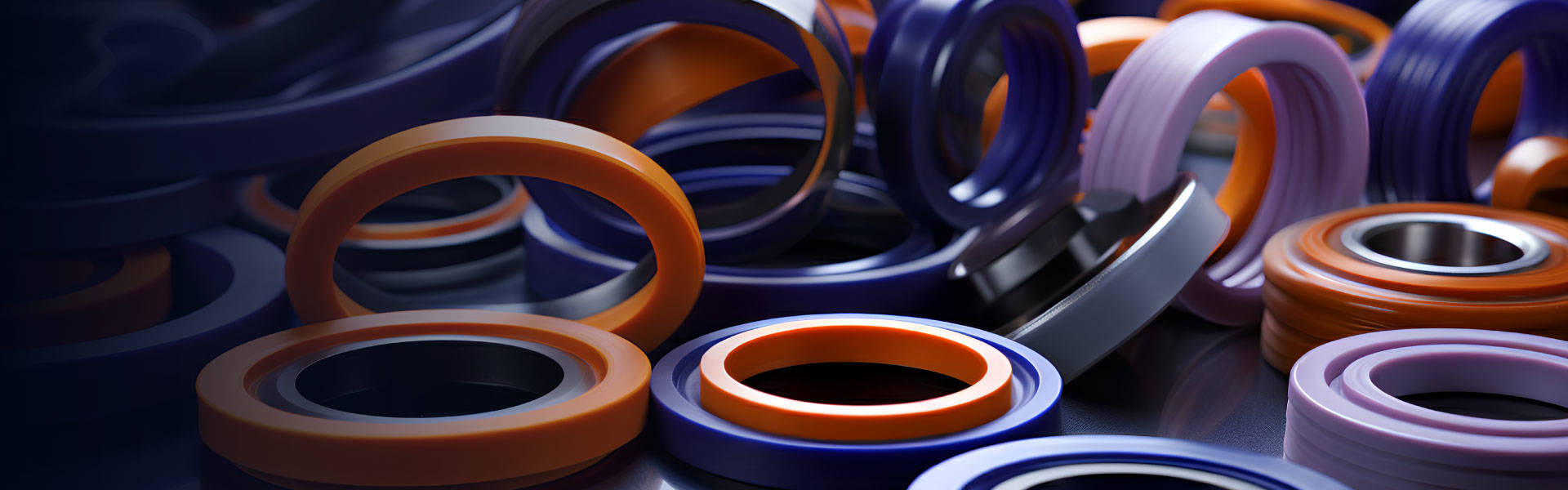
Vulcanized rubber refers to rubber that has undergone vulcanization, characterized by its non-stick properties and resistance to breakage. Most rubber products are made from this type of rubber. Also known as “cured rubber,” it is commonly referred to as rubber or elastomer. After vulcanization, the raw rubber forms a three-dimensional network structure, offering high elasticity, heat resistance, tensile strength, and insolubility in organic solvents. The majority of rubber products are made from vulcanized rubber.
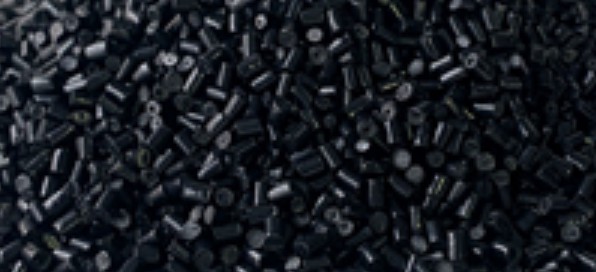
During the mixing process, the macromolecules of the rubber chemically and physically bond with the surface of active fillers (such as carbon black particles). This causes part of the rubber to become bound to the carbon black particles, resulting in a rubber that is insoluble in organic solvents, known as bound rubber.
The formation of bound rubber helps the carbon black aggregates to break and disperse uniformly during the mixing process. However, if too much bound rubber forms too early, particularly before the carbon black-rubber agglomerates break and disperse, it forms a hard layer around the carbon black aggregates, making it harder for these high-concentration agglomerates to break and disperse. Therefore, for diene-based rubbers with high unsaturation, especially natural rubber, strict control over mixing conditions during the early stages of mixing is essential to prevent excessive formation of bound rubber.
The determination of bound rubber content in vulcanized rubber has long been a challenge in the industry. Traditional chemical methods offer low precision and are heavily influenced by subjective factors. In contrast, nuclear magnetic resonance (NMR) can quickly and non-destructively measure bound rubber content, as the relaxation decay curve of vulcanized rubber changes with the internal composition of the sample.
Low-Field NMR Technology
The relaxation decay curve of vulcanized rubber changes according to the internal composition of the sample. The NMR technique takes advantage of the different relaxation times of various components within elastomeric materials to measure the bound rubber content.
Low-field NMR technology has no specific requirements for the shape or color of the test sample, as long as it fits in the NMR probe. This allows for quick and efficient measurement of bound rubber content in vulcanized rubber samples.
 Scan QR Code
 Scan QR Code
 Phone Support
Phone: 400-060-3233
After-sales: 400-060-3233
 WeChat Support

 Official Account

Back to Top