


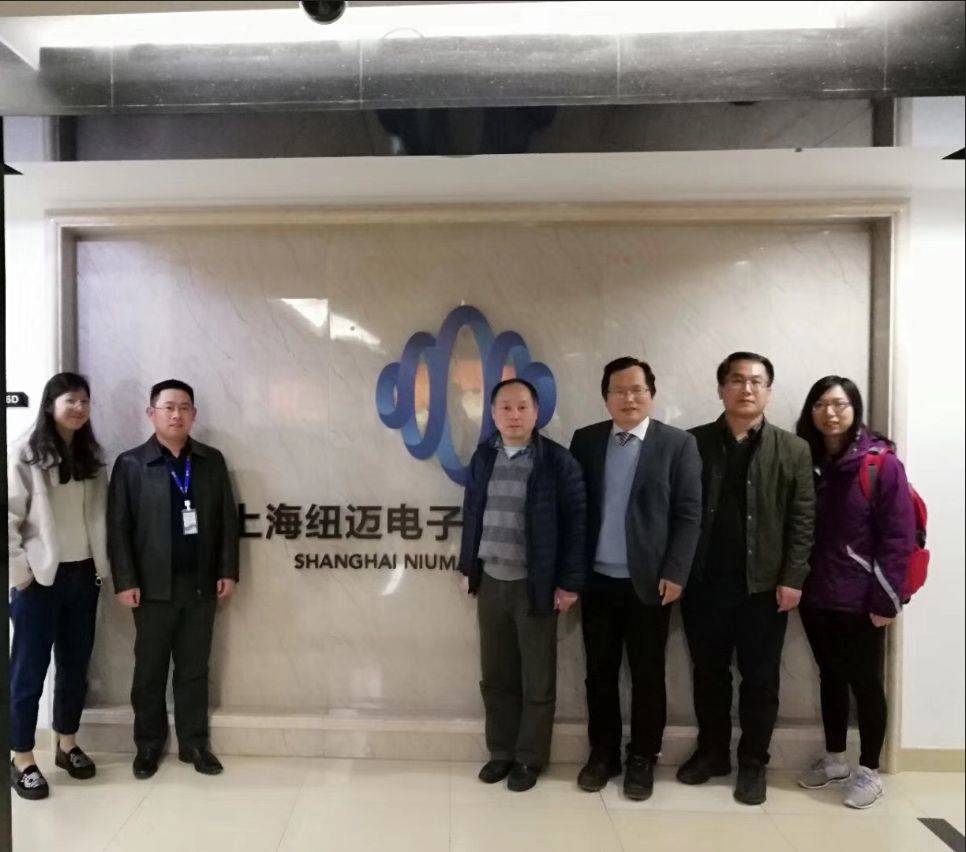
On March 18-19, 2019, Mr. Xie Xiaoming, Deputy Director of the Shanghai Institute of Microsystems and Information Technology, Chinese Academy of Sciences, along with researchers Dr. Mi Xianqiang and Dr. Dong Hui, visited Numag. Mr. Yang Peiqiang, Chairman of Numag Group, and other team members warmly received the delegation.
At the beginning of the meeting, Chairman Yang Peiqiang provided a detailed introduction to Numag’s development history, prospects, and future plans. From the origins of low-field NMR technology in 1952 to Numag’s rise as a leading brand in the high-end scientific instrument sector, the journey has been tough, and the participants expressed their high praise and recognition, as they too are researchers in the same field.
It is no secret that China’s scientific research community has long been dependent on imported mid- to high-end analytical instruments. However, research results and papers produced using imported instruments are often published in English, with the outcomes of China’s scientific achievements being converted in developed countries. A significant amount of funding goes into continually optimizing and refining imported instruments, while domestic scientific instruments are slow to progress or even eliminated due to lack of market application. This vicious cycle has persisted in China for many years.
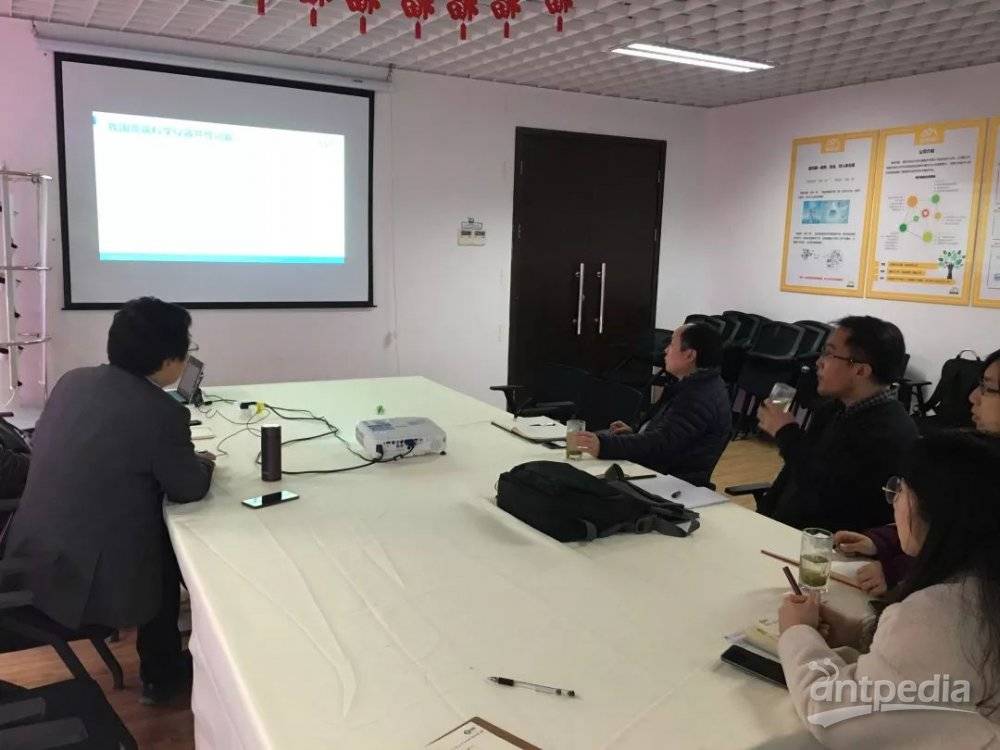
Numag emerged in response to this situation, overcoming obstacles, and after 15 years of deep cultivation, it now holds a market share of over 70%. Numag’s growth has been supported by recognition from numerous scientists and experts across the country. As a high-end scientific instrument, Numag’s low-field NMR analyzers demonstrate that domestic scientific instruments can not only match imported technology in terms of reliability and innovation, but they also provide valuable experience for helping China catch up to global standards in scientific instrumentation. The selection of instrument brands by domestic researchers is crucial for the development of Chinese scientific instrument companies, and it is only by first earning the recognition of domestic scientists that domestic scientific instruments can surpass imported ones.
What Numag has achieved today is only a temporary result. It represents a sense of pride in having autonomous and controllable scientific tools in China’s research industry. However, this pride is not where it all began. The essence of this pride lies in understanding that some scientific achievements, which might seem like just a photograph, a trophy, or even a piece of news to outsiders, are built on sweat and time. In the vast stretch of time, if we are not careful, we can be swallowed by the torrents of history. This challenging journey, this heavy burden, is the core of the mutual recognition between Numag and Mr. Xie’s team.
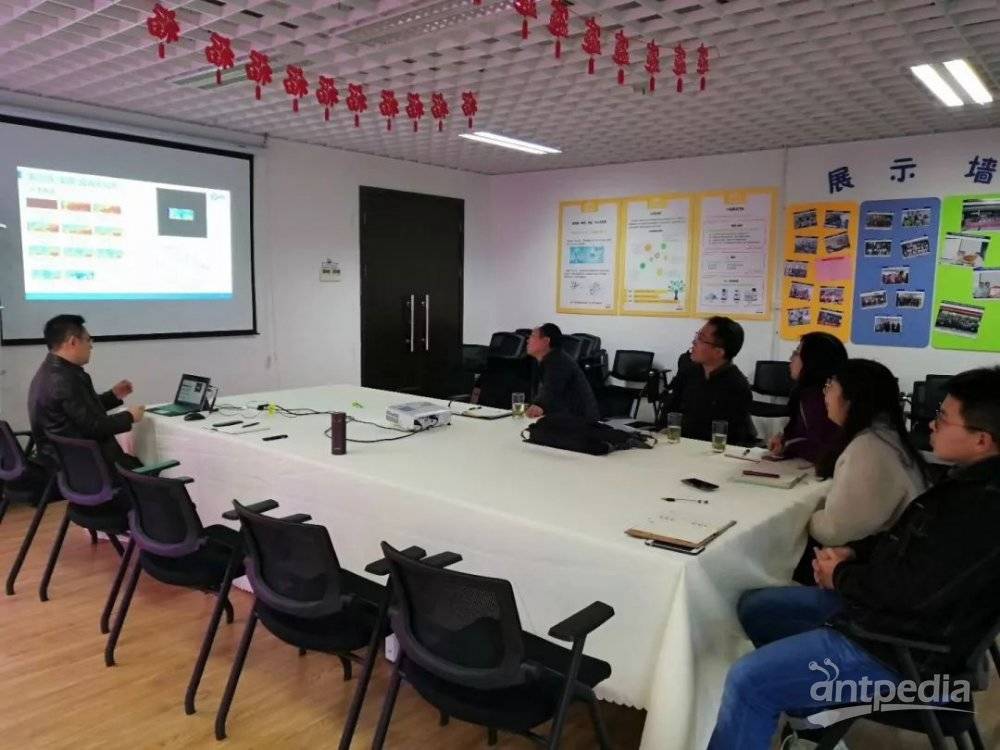
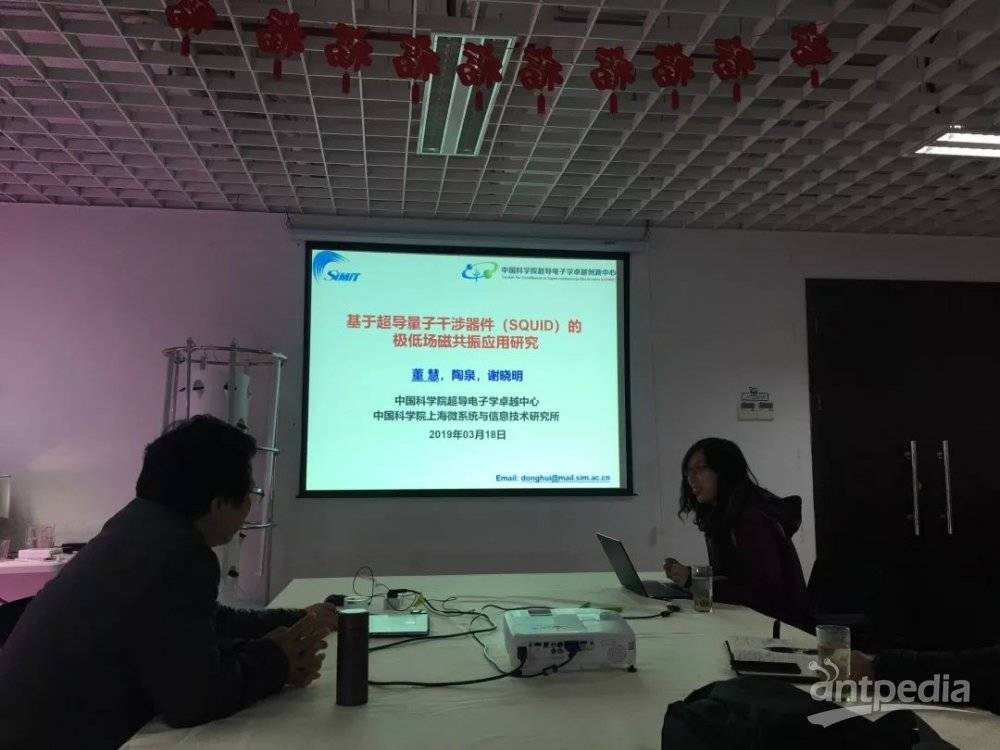
During the presentation by Numag’s Product Director, the application and expansion of low-field NMR technology across various fields were discussed, as well as the valuable results brought by the industrialization of NMR technology. Dr. Dong Hui became particularly interested in the variable field NMR portion of the content and presented his research on “extremely low-field magnetic resonance based on superconducting quantum interference devices (SQUIDs).” His research spans from basic studies to biological imaging, geophysical exploration, and defense applications, showcasing the long-term efforts in SQUID-based low-field magnetic resonance at the Microsystems Research Institute. After summarizing their respective research developments, both parties discussed areas of overlap and expressed great expectations for exploring long-term cooperation opportunities in the future.
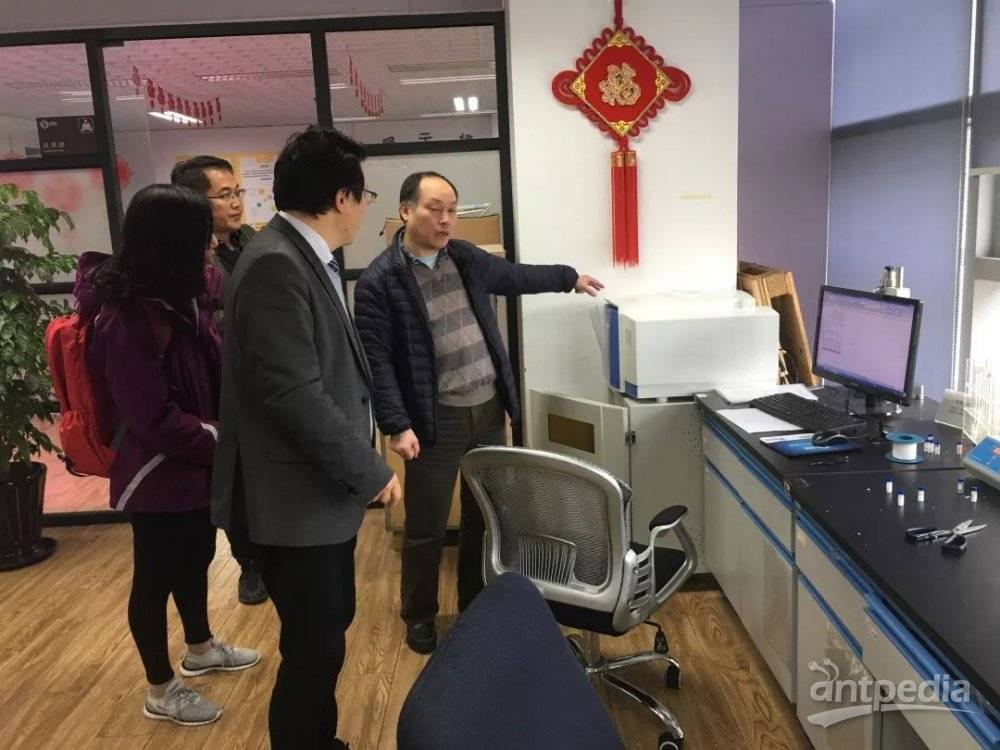
After the meeting, Chairman Yang Peiqiang led Mr. Xie and his team on a tour of the laboratory and office areas at Shanghai Numag Electronic Technology Co., Ltd. Mr. Xie fully affirmed the vibrant and upward work atmosphere at Numag, believing that in the near future, the cooperation between Numag and the Shanghai Microsystems Institute will inject new vitality into the field of nuclear magnetic resonance!
Finally, we wish that all those who carry heavy burdens on the road of scientific research will ultimately succeed. Even though we know that some failures are inevitable, we still hold on to our hopes. If “but” can symbolize a turning point or a breakthrough, then the word “still” is the true symbol of perseverance—filled with smiles and tears, valleys and sweat. The “still” keepers at Numag and the Microsystems Research Institute know, even if failure is possible, and even if failure may be irreversible, no matter how many challenges we face, we will remain steadfast.
 Scan QR Code
 Scan QR Code
 Phone Support
Phone: 400-060-3233
After-sales: 400-060-3233
 WeChat Support

 Official Account

Back to Top