


Surfactants are substances that significantly reduce the surface tension of a target solution. These molecules contain both hydrophilic and lipophilic groups, and they tend to orient themselves at interfaces. Structurally, surfactant molecules are amphiphilic: one end is a hydrophilic group—typically polar, such as carboxylic acid, sulfonic acid, sulfuric acid, amino or amine groups, hydroxyl, amide, or ether bonds. The hydrophobic end usually consists of a non-polar hydrocarbon chain with eight or more carbon atoms.
Surfactants can be classified into ionic surfactants (including cationic and anionic types), non-ionic surfactants, amphoteric surfactants, blended/mixed surfactants, and others depending on their chemical structure and application scenarios.
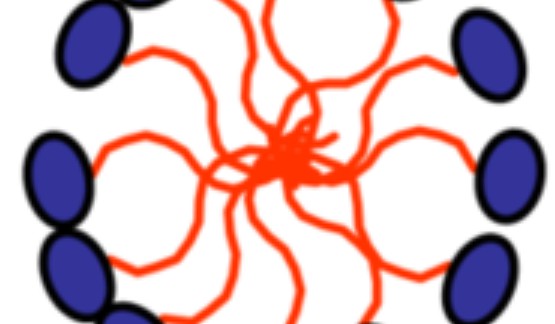
Surfactants reduce the surface tension of water by adsorbing at the gas-liquid interface. They can also reduce interfacial tension between two liquids, such as oil and water, by adsorbing at the interface. In bulk solution, many surfactants tend to self-assemble into aggregates known as micelles.
In solutions, positive adsorption of surfactants increases wetting, emulsification, and foaming capabilities.
On solid surfaces, surfactants may adsorb in a monolayer on non-polar solids, while multilayer adsorption can occur on polar solids.
Depending on application requirements, surfactants must have different hydrophilic-lipophilic structures and relative densities. By varying the type, proportion, and molecular location of hydrophilic and hydrophobic groups, one can tailor the hydrophilic-lipophilic balance (HLB) to meet specific needs.
Over decades of research and production, thousands of surfactants have been developed—each category containing numerous subtypes. Therefore, scientific classification is essential for proper selection, further research, and the development of new surfactant products.

Low-field NMR relaxation measurements can be used to analyze surfactants adsorbed on material surfaces. Free surfactants in solution have minimal impact on relaxation times, while surfactants adsorbed at the solid-liquid interface significantly alter the system’s relaxation behavior. This difference allows for quantification of surfactant concentration.
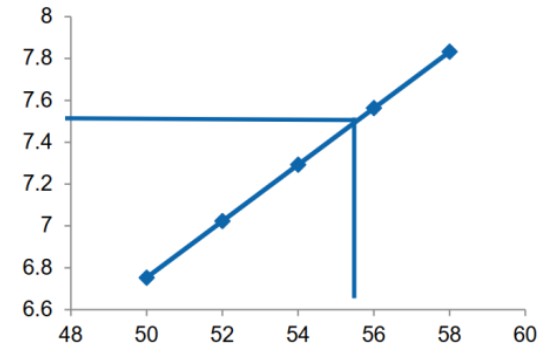
To adsorb surfactants onto a surface, the active molecules must replace fluids already wetting the material. This displacement causes a measurable change in relaxation time. Surfactant concentration (c) is proportional to the proportion of fluid adsorbed at the surface (PS). By evaluating the relaxation characteristics, surfactant content can be calculated accurately.
 Scan QR Code
 Scan QR Code
 Phone Support
Phone: 400-060-3233
After-sales: 400-060-3233
 WeChat Support

 Official Account

Back to Top