


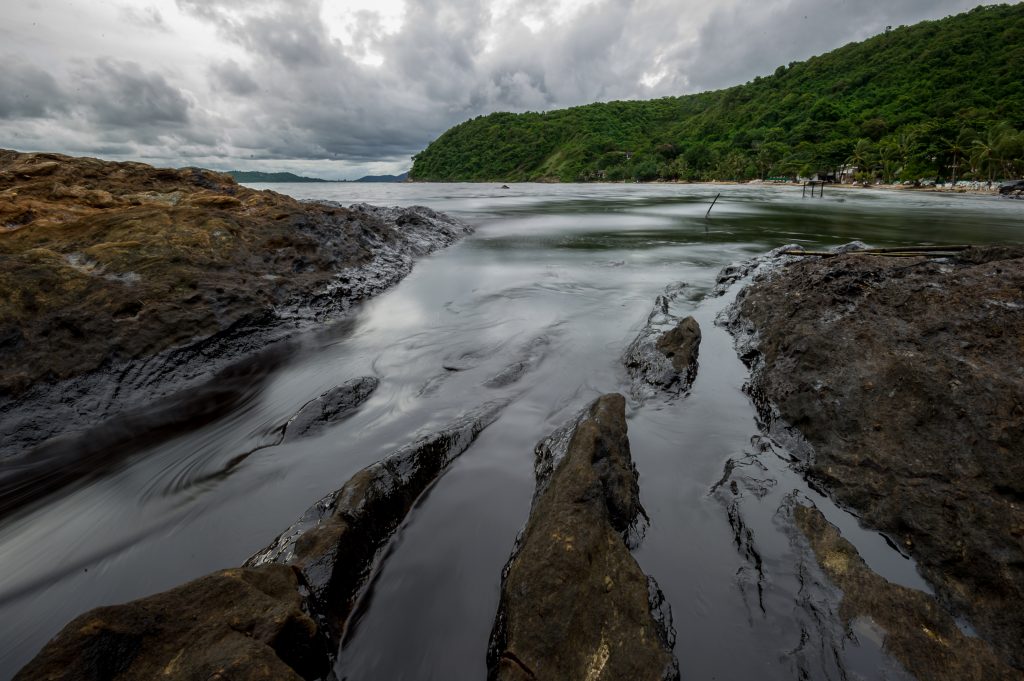
Oily sludge refers to sludge contaminated with crude oil, refined products, residual oils, or other heavy hydrocarbons. It is not naturally occurring but results from oil exploration, refining, transportation, usage, and storage processes. Causes include equipment failure, corrosion, operational mishandling, or accidents that lead to oil spills. These leaks mix with soil, water, and other substances, forming a complex mixture of hydrocarbons, earth, water, and various pollutants. Oily sludge is hazardous to humans, plants, and aquatic life. Its evaporated vapours can irritate the skin, eyes, and respiratory tract. It degrades soil productivity and is notoriously difficult to remediate, making it one of the major pollutants in the petroleum and petrochemical industries [1].
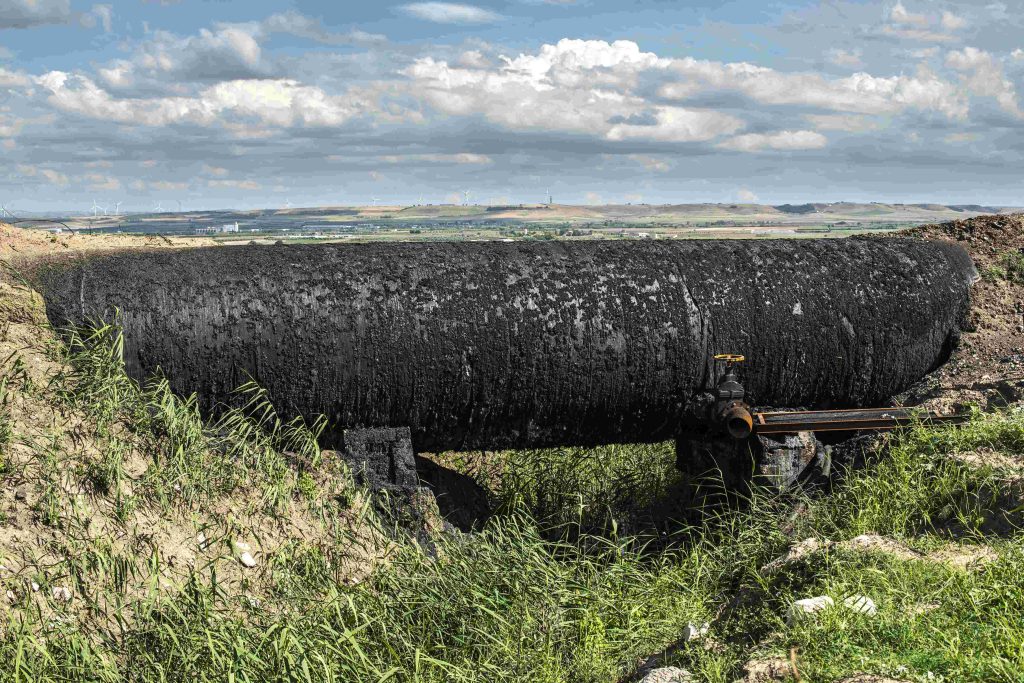
2) Gathering and transportation: Oily sludge here comes from sediment in oil tanks, wastewater tanks, oil-water separators, and pipeline leakage. It contains aged crude oil, wax, asphaltenes, colloids, bacteria, salts, gases, and corrosion products. It also includes additives like coagulants and biocides used during water treatment.
4) Steel and heavy industry: Contaminated soil from lubricants and fuel spills.
5) Marine and transport: Coastal and seabed contamination from offshore drilling and shipping accidents.
Due to differences in origin and composition, oily sludge typically contains 10–50% oil and 40–90% moisture. Current mainstream treatment methods include:
1) Mechanical Separation: Includes vacuum, pressure, and centrifugal methods. Enables phase separation of sludge into water (sent for wastewater treatment), oil (sent for refining), and solids (landfilled, incinerated, or treated biologically).
5) Input this signal into the calibration curve to compute the oil content – yielding the sludge’s oil recovery rate.
[1] Liu Wuxing, Luo Yongming, Teng Ying, et al. Preliminary study on petroleum-contaminated soil and sludge in Chinese oilfields. Soil, 2007, 39(2):5.
[4] Jin Y, Zheng X, Chi Y. Experimental Study and Assessment of Different Measurement Methods of Water in Oil Sludge. Drying Technology: An International Journal, 2014.
 Scan QR Code
 Scan QR Code
 Phone Support
Phone: 400-060-3233
After-sales: 400-060-3233
 WeChat Support

 Official Account

Back to Top